

How The Hype Machine Has Built Breaking Bad Up To Look Better Than It Is.
Recently I've finally started watching Breaking Bad. And to be honest, I don't think it's very good. But why does the rest of the world disagree with me? It's down to the Hype Machine...

The Hype Machine: How Virality Distorts Our Perception of Success
In the age of social media, where trends spread like wildfire and opinions are amplified in echo chambers, the collective hype around products, TV shows, and cultural phenomena has become a defining feature of how we consume media and make decisions. But what happens when hype becomes the primary metric by which we judge success? Are these viral sensations genuinely as good as they seem, or are we swept up in the illusion of their greatness simply because everyone else is talking about them?
Let’s explore how the hype machine works, why it distorts our view of success, and what we can do to navigate the noise.
The Anatomy of Hype
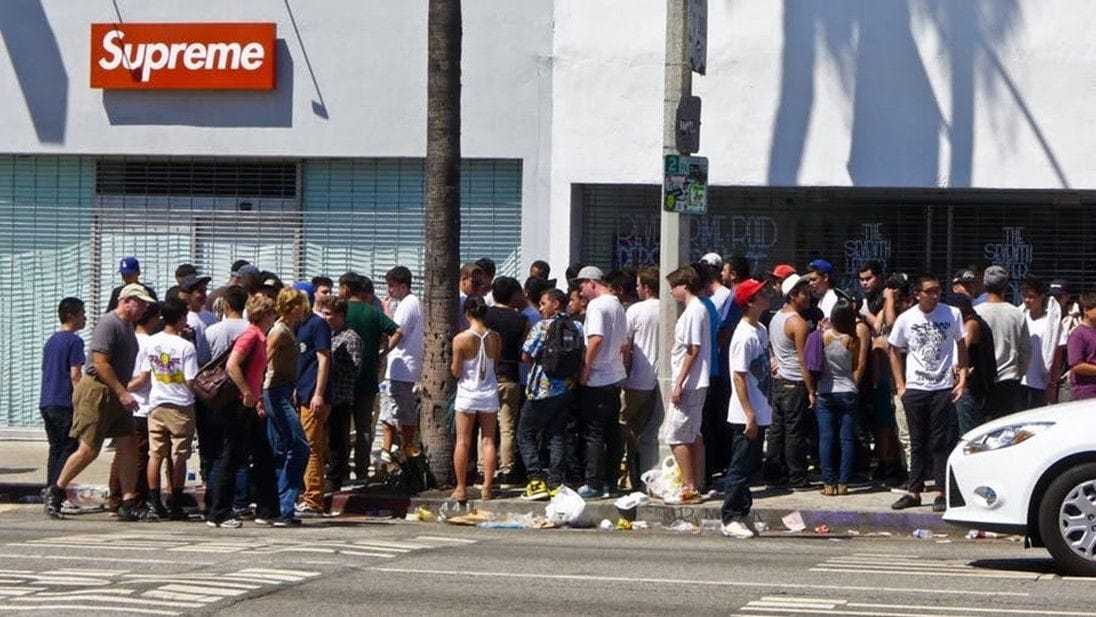
Hype is contagious. It thrives on our innate social instincts—the desire to belong, to be ‘in the know’, and to share in collective experiences. When a product or TV show goes viral, it often feels like everyone is talking about it, watching it, or buying it. This creates a feedback loop: the more people talk about something, the more others feel compelled to check it out, which fuels even more discussion.
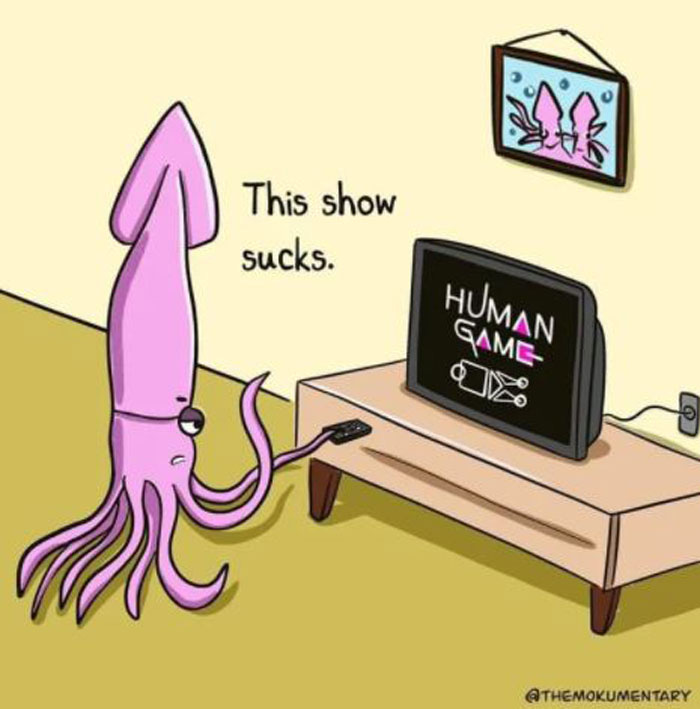
Take TV shows like Squid Game or products like the AirPods Max. These phenomena didn’t just succeed because they were good (though they certainly had merit); they succeeded because they became cultural events. Social media platforms amplified their reach, and FOMO (fear of missing out) drove millions to participate in the conversation.
But here’s the catch: hype can create a distorted lens through which we evaluate these phenomena. When something is trending everywhere on TikTok, Twitter, Instagram and the groupchat it’s easy to conflate its popularity with quality. But that doesn’t always mean it’s good.
Popularity ≠ Quality
One of the most common misconceptions about viral success is equating popularity with quality. A product or show that goes viral isn’t necessarily better than its less-hyped counterparts; it’s just better at capturing attention.
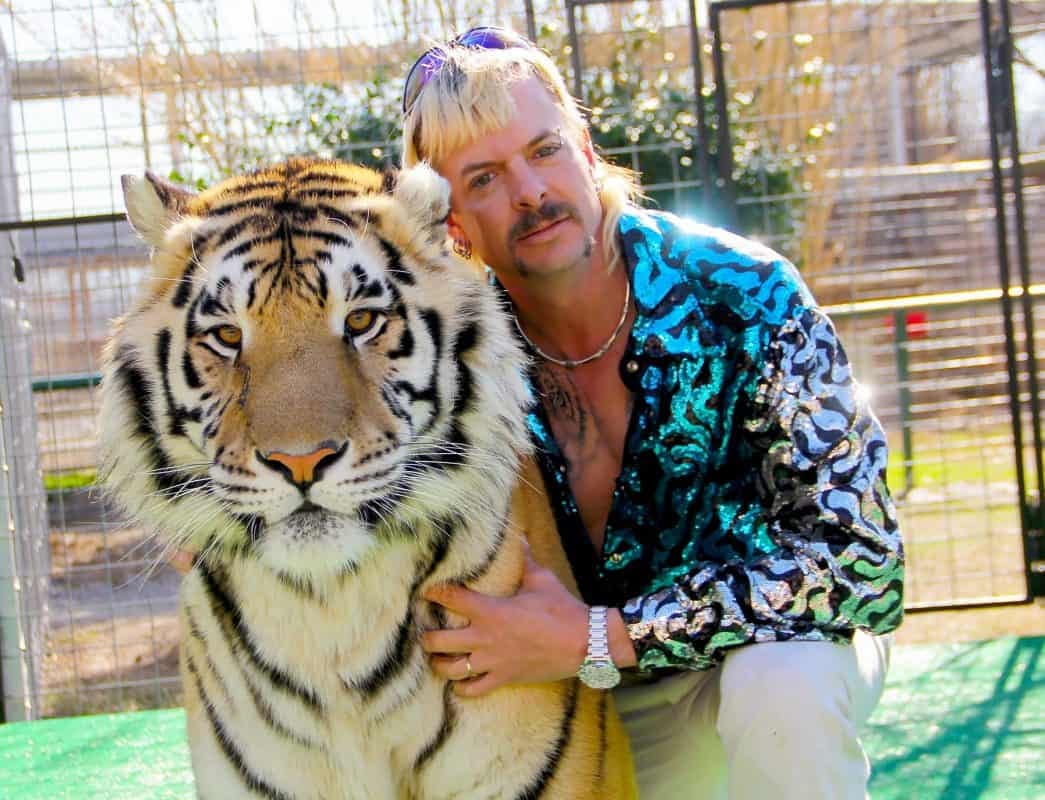
Consider viral TV shows like Tiger King. When it debuted in 2020, it was all anyone could talk about. Memes flooded timelines, debates raged online, and it felt like a cultural moment you had to be part of. But looking back, was Tiger King truly a masterpiece of storytelling? Or was it simply a bizarre spectacle that happened to hit at the right time (a pandemic lockdown) with the right mix of shock value and meme potential?
Similarly, viral products often owe their success not just to their features but to clever marketing and social proof. Think about fads like fidget spinners or even more enduring products like Peloton bikes. Are they innovative? Sure. But are they objectively superior to alternatives? That’s debatable—and yet their hype often overshadows any critical evaluation.
The Role of Algorithms in Amplifying Hype
A key driver behind this distortion is how algorithms on platforms like TikTok, YouTube, and Instagram prioritise engagement over substance. The more people interact with content about a particular product or show (whether through likes, comments, or shares) the more those platforms push that content into other users’ feeds. This creates an illusion of ubiquity: if you see something everywhere online, you assume it must be universally loved or important.
But algorithms don’t measure quality; they measure attention. A polarising show that sparks heated debates might trend higher than a critically acclaimed but understated series because controversy drives clicks. Similarly, a product with flashy packaging or influencer endorsements might dominate your feed despite being mediocre in performance.
The Bandwagon Effect: Why We Fall for Hype
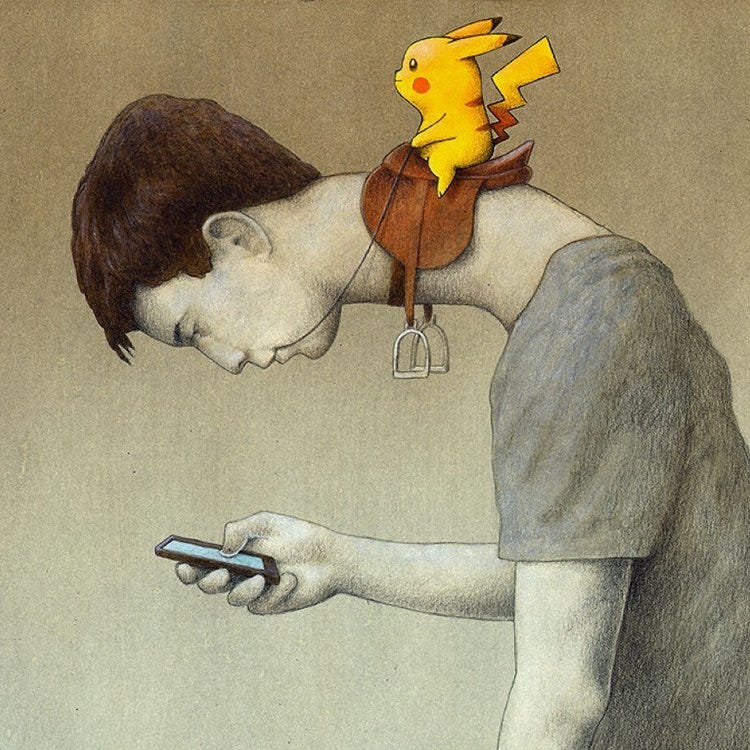
Psychologically, humans are wired to follow the crowd — a phenomenon known as the “bandwagon effect.” When we see others raving about something online (or offline), we’re more likely to jump on board ourselves. This isn’t just about peer pressure; it’s also about cognitive shortcuts. If thousands, or millions, of people love something, our brains assume it must be worth our time too.
But this herd mentality can lead us astray. We may end up overvaluing trendy phenomena while overlooking hidden gems that lack the same marketing muscle or virality factor.

How Hype Distorts Success Metrics
When hype takes over, traditional measures of success like critical acclaim or long-term impact often take a backseat to short-term buzz.
For example:
• TV Shows: A series might be deemed successful because it dominates social media for a few weeks (The Queen’s Gambit), even if its cultural relevance fades quickly.
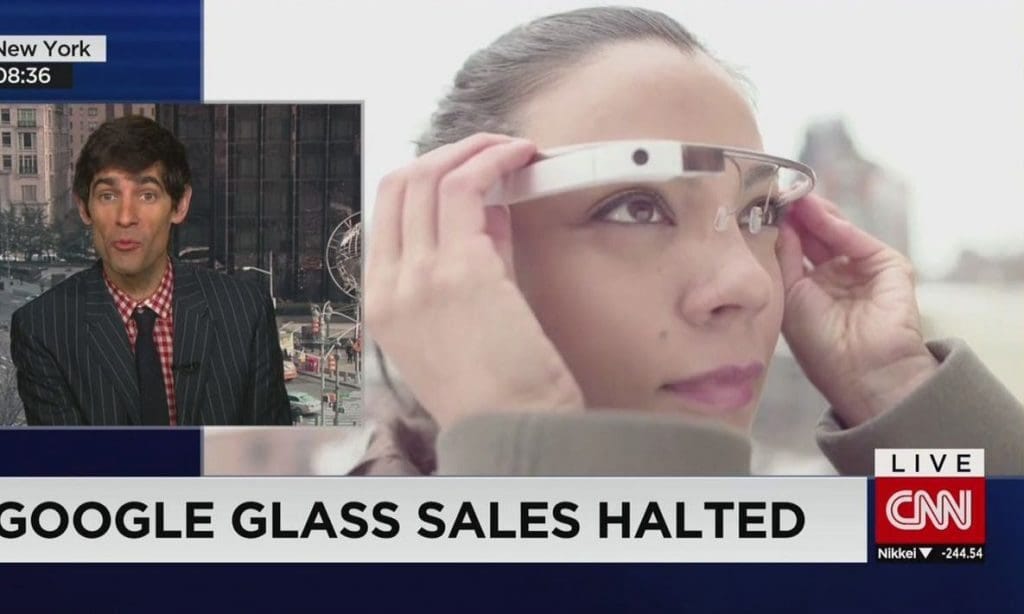
• Products: A gadget might sell out due to influencer endorsements but fail to deliver lasting value, remember Google Glass…?
This distortion can have real consequences for creators and companies alike. Studios might greenlight sequels based on fleeting viral moments rather than sustainable storytelling, while brands may chase trends at the expense of innovation.
Navigating the Noise: How to See Beyond the Hype
So how can we avoid falling victim to the hype machine? Here are some strategies:
1. Pause Before Jumping In: When you see something trending, take a step back. Ask yourself, ‘do I genuinely care about this product/show? Or am I just curious because everyone else seems to be?’
2. Seek Diverse Opinions: Don’t rely solely on social media chatter or influencer reviews; look for balanced critiques from trusted sources.
3. Focus on Longevity: Ask whether this phenomenon will still matter in six months, or six years, or if it’s just a flash in the pan. I thought my ripped skinny jeans would last the test of time, but evidently they have not…
4. Embrace Your Own Taste: Remember that you don’t have to love what everyone else loves. It’s okay to skip the latest trend if it doesn’t resonate with you. And you don’t have to think Breaking Bad is amazing, when actually it drags on a bit.
Final Thoughts: Beyond the Hype
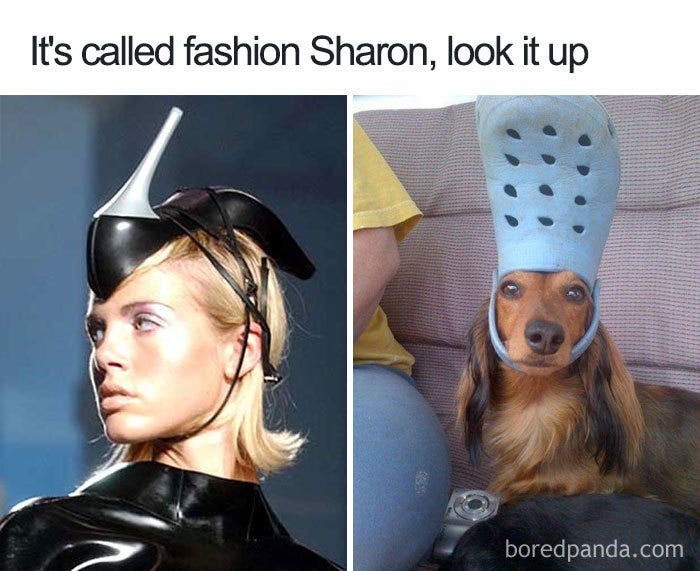
Hype isn’t inherently bad. It can bring attention to deserving creators and foster shared cultural moments that connect us all — Barbenheimer being a great example of this. But when we let hype dictate our perceptions of quality and success, we risk losing sight of what truly matters: authenticity, creativity, and lasting impact.
As consumers in an increasingly messy world, our challenge is to separate signal from noise. To appreciate viral sensations for what they are without letting them overshadow everything else. Because sometimes the best things aren’t trending, they’re quietly waiting for us to discover them.
What do you think? Have you ever been swept up in hype only to feel underwhelmed later? Or have you discovered hidden gems that deserved more attention?
All I’ll say is that Breaking Bad isn’t worth the hype.